
There’s a huge problem with Drift, and that’s likely why you opened this post in the first place: Salesloft’s acquisition of Drift in February 2024 for $500 million, only for them to announce in March 2026 that the platform is being sunset.
But with existing Drift customers having only a 60 to 90-day migration window, and Salesloft naming a successor priced for companies with six-figure budgets, it’s a difficult time for most Drift users looking for a sensible alternative.
This is a decision forced upon many, but it doesn’t have to be one that puts anyone in a bad situation. The positive light here is that there are actual alternatives to Drift, backed by performance data showing better resolution than Drift over the past 18 months.
Here are five of those options.
Why Drift Is Being Sunset (and Why It Matters for Your Conversion)
But before we look at the top alternatives to Drift, it’s also important to know what led to it being sunsetted in the first place.
After Salesloft acquired Drift, it was hit by an OAuth attack in September 2025 that compromised over 100 organizations, including prominent entities such as Cloudflare, Palo Alto Networks, and Zscaler. Six months after this incident, Drift announced its sunset, and customers were directed to 1Mind or another platform.
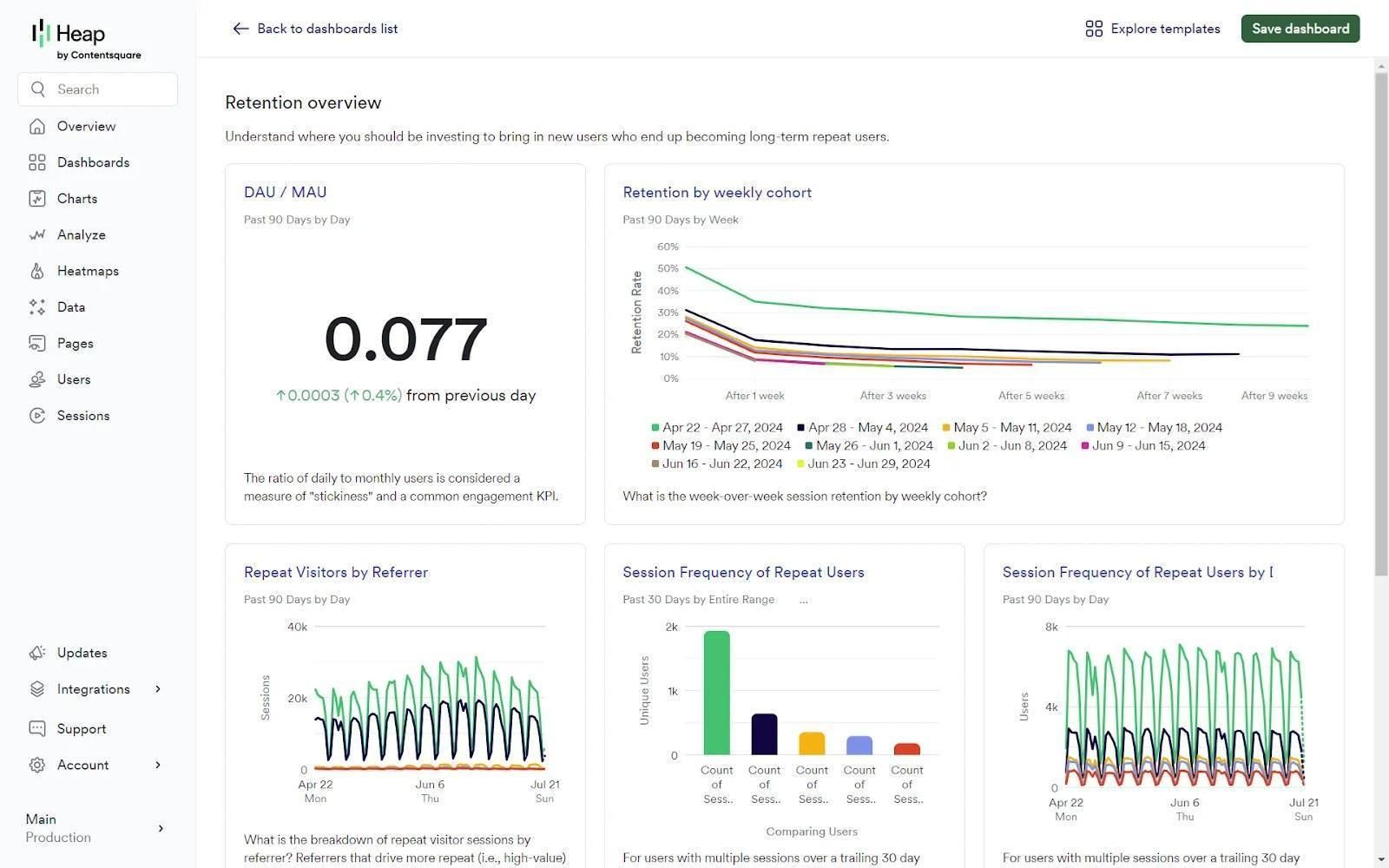
But there’s another layer to this beyond the reputational damage caused by the security breach. While Drift worked well for the late 2010s B2B SaaS situation, its use of the chat widget, SDR follow-up, and meeting bookings quickly fell behind. Conversational marketing changed very quickly.
In 2026, AI agents resolve 75% or more of all customer queries, and now identify 1 high-intent buyer from 7 routine questions through AI alone. The context of better conversion now means better filtering, faster routing, more channels, and incentivized pricing models.
What to Look for in a Good Alternative to Drift
There are three main points to consider for a good alternative customer engagement platform.
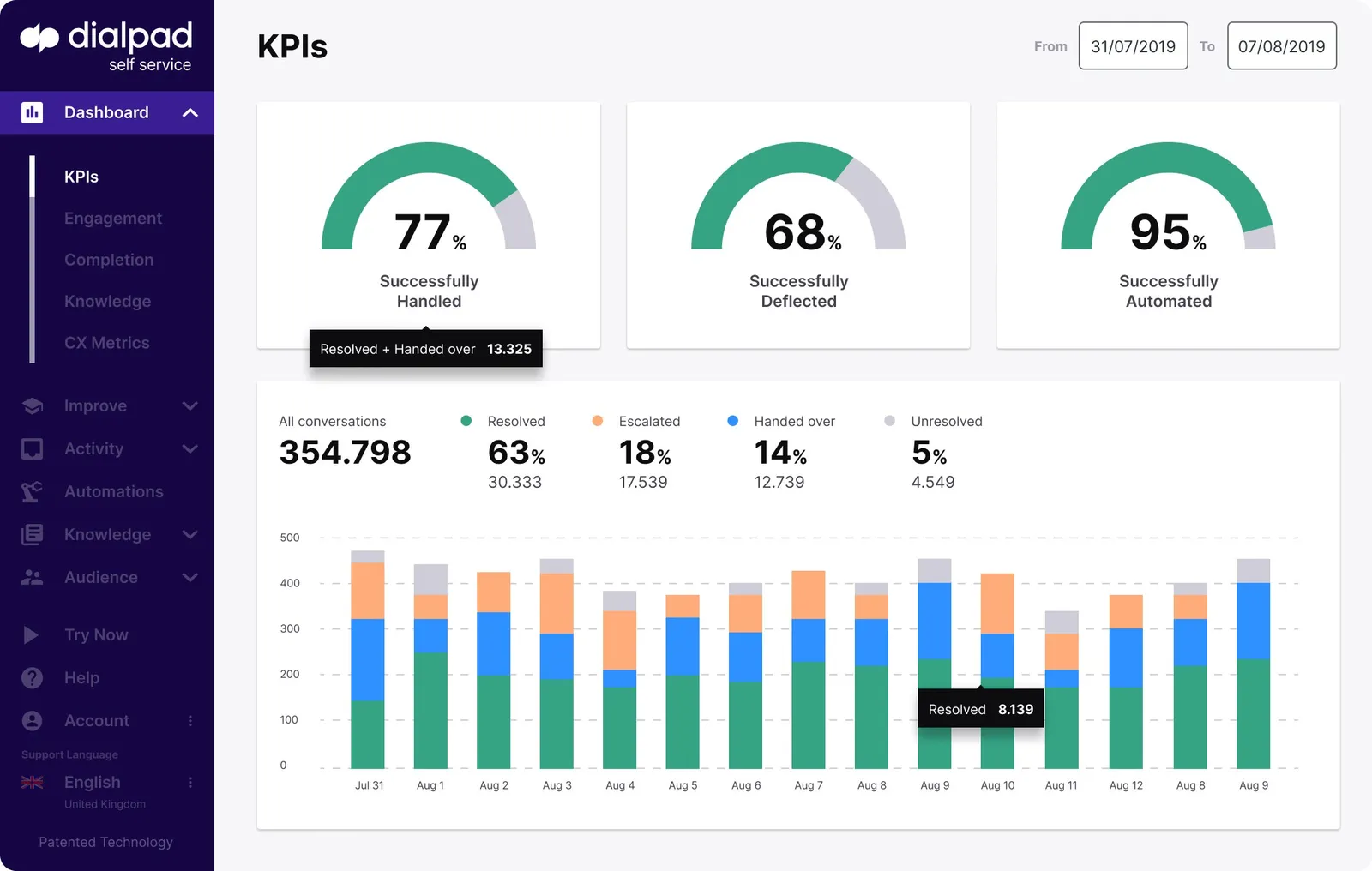
AI resolution rate: Standard chatbot deflection rates range from 20 to 50%, but newer models reach up to 80%. This difference matters: AI chatbot conversion rates are 20%+ higher than human-only chat, and proactive AI triggers enable even higher rates.
Channel coverage: Desktop browsers are no longer where most of the B2B traffic passes, and web chat widgets are no longer enough. Platforms like WhatsApp, Instagram, FB Messenger, and Discord are now a starting point for conversion.
Total cost of ownership: Good alternatives provide AI, multi-channel lead-generation coverage, a knowledge base, and routing, all on a single bill at a sensible total cost. This is a stark contrast to Drift, which started at $2,500 per month and up to $150k per year for Enterprise.
Now let’s look at the best options based on these points.
1. Yaplet
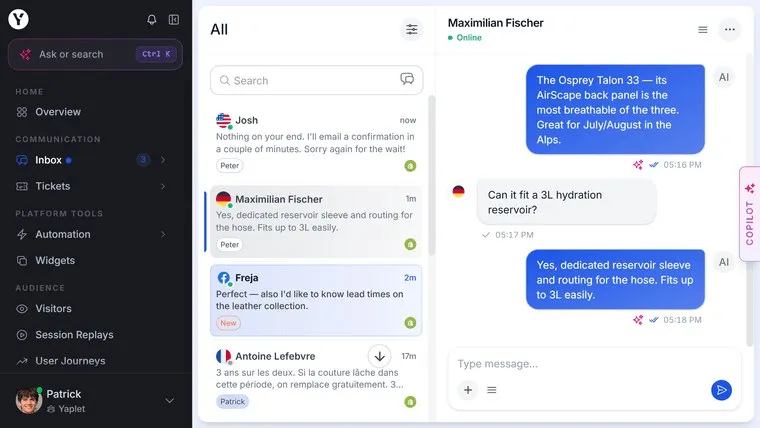
This is the best Drift alternative for SMBs and startups based on substance. You get alternatives to Drift, Intercom, Pendo, Typeform, and Mailchimp, all within a single platform at a single cost. And with a $99 monthly cost for the Growth plan, you’re able to cover 10 members with 5 widgets and a multi-channel inbox for WhatsApp, Instagram, Facebook, and Discord. This makes Yaplet 96% cheaper than Drift’s $2500 monthly entry tier.
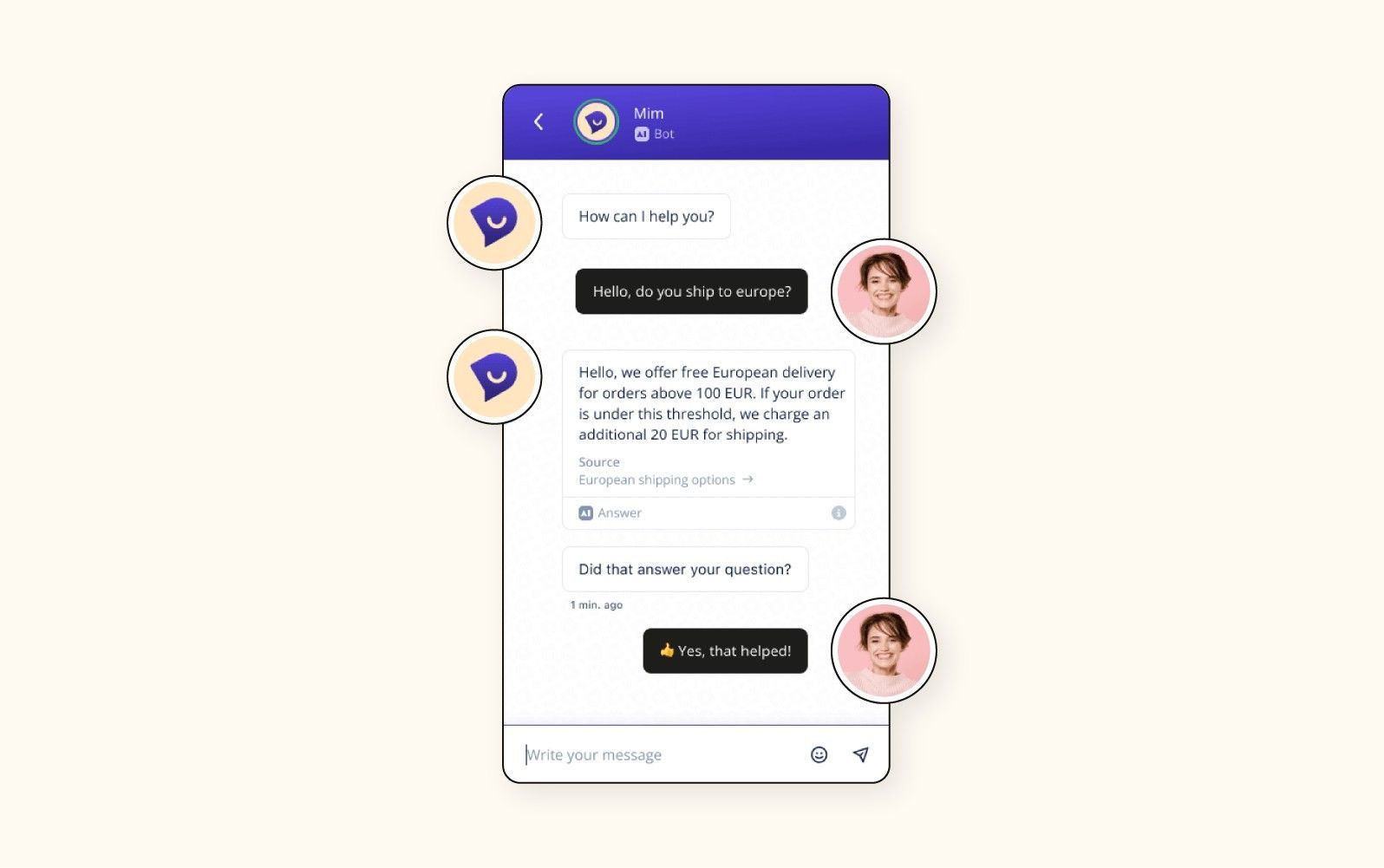
But the difference goes beyond pricing, as Yaplet’s advantage lies in its structural design, making it more than just a centralized help desk. With Vex AI, the platform pre-filters incoming chat, making actual buying intent the priority your team receives, so you can spend more time on conversions than on manual customer support.
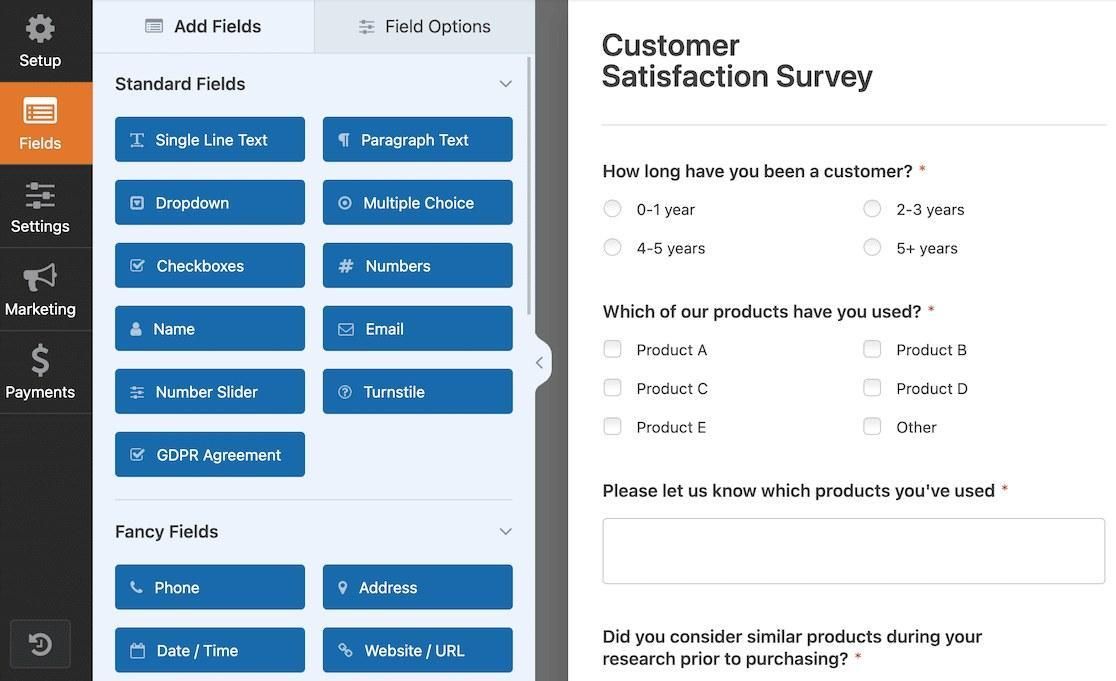
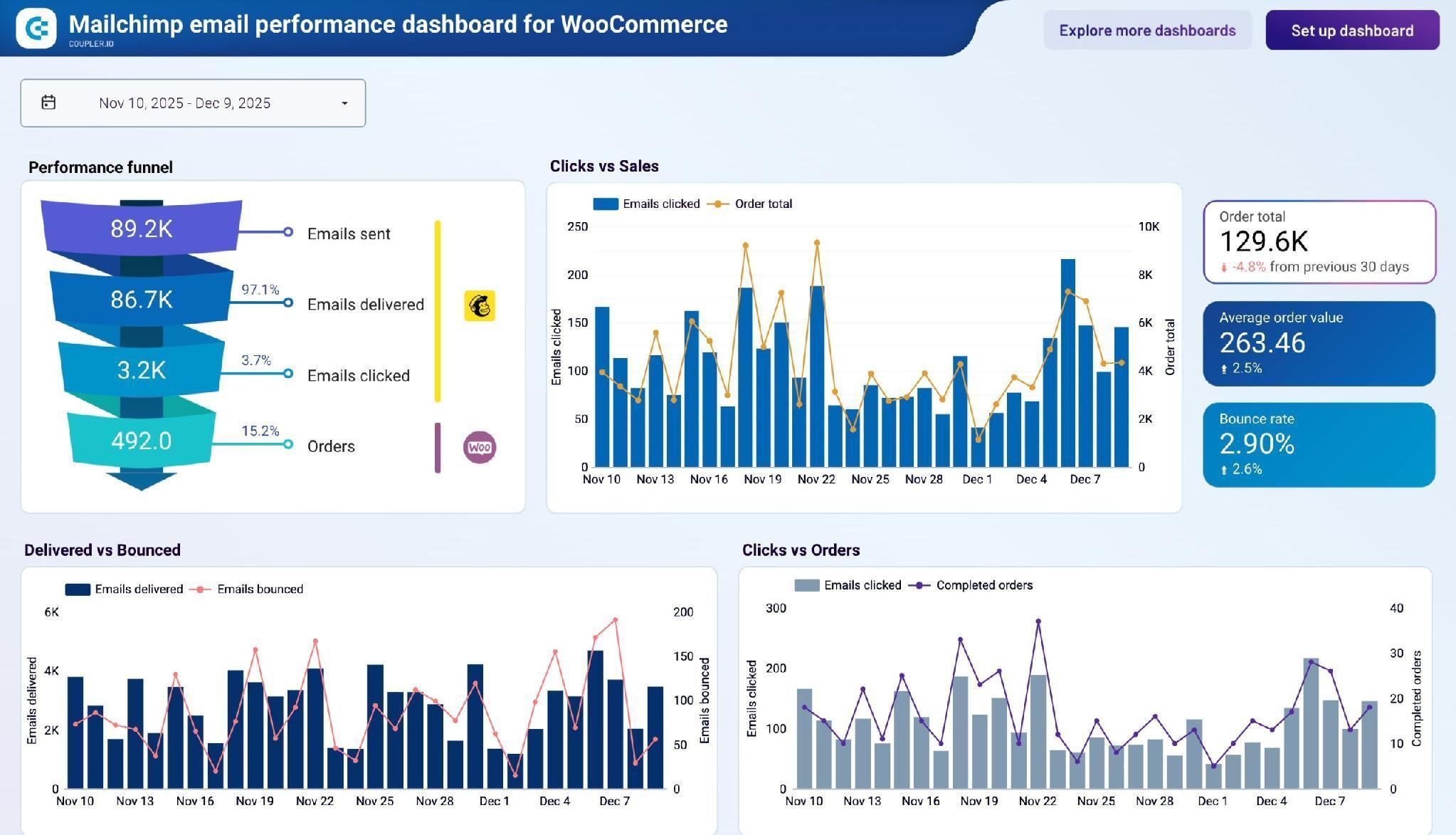
It’s also a true all-in-one platform. Besides Vex AI, you also get live chat, a knowledge base that can automate Vex learning, product tours, bug reporting, and various other features that anyone in your situation would need. That means email newsletters and email marketing automations as well. Other features include AI workflows for reply suggestions, chat summaries, 100,000 contacts, full reporting, and session replays.
This platform is best for SMBs and startups looking to consolidate their tools, or for anyone wanting both AI deflection and live chat. But for enterprise sales orgs that are deeply embedded in Salesforce, or those that need account-based ABM signals fed directly into their pipelines and workflows, Qualified might be the better pick.
Pricing: Free, Starter at $29/month, Growth at $99/month, custom Enterprise.
2. Intercom (with Fin AI)
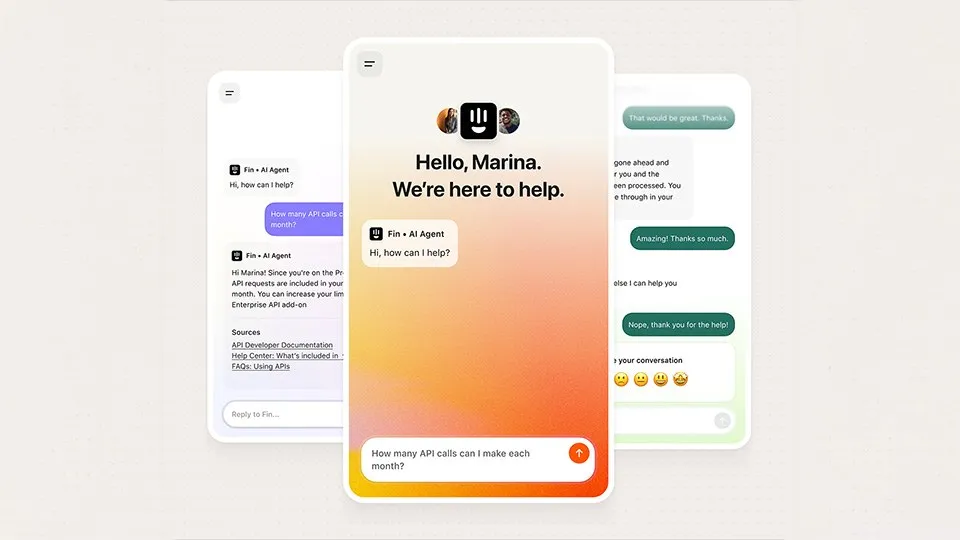
This platform serves a rather unique use case: teams with a budget and a complex support motion. It converts better than Drift mainly because of Fin AI, but its resolution-based pricing significantly raises its value. You’re charged only if the Fin AI bot successfully resolves, at $0.99 per resolution, subject to a minimum of 50 per month.
The trade-off is that this pricing is only available with an Intercom plan starting at $29/seat. This means that a team of 10 to 12 people who actively use Fin will likely incur a bill in the four-figure range. This is a high-quality AI process, and the calculation is very transparent, but the cost adds up quite a bit.
Another case for Intercom is its in-app engagement layer, comprising tooltips, banners, product tours, and proactive messages. This is a very effective system if you find users dropping off mid-flow by not starting or continuing a chat, and Intercom excels here compared to similarly priced competitors.
Intercom is best for mid-market and growth stage SaaS that have a budget for per-seat pricing and a need for strong in-app engagement. But the costs really add up once you factor in all related expenses, including Copilot.
Pricing: Monthly seat plans starting at $29 per seat, and Fin AI at $0.99/resolution (min. 50)
3. HubSpot Conversations
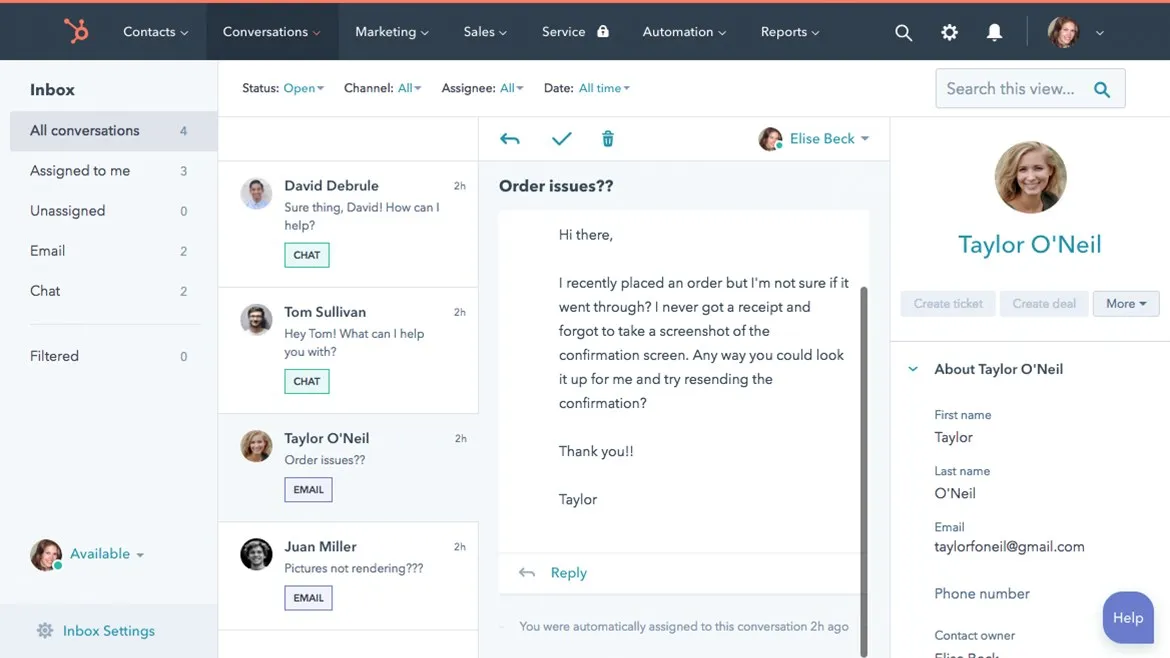
This is the best pick for those whose sales and marketing teams are already in HubSpot. It has a conversion that is better than the Drift widget since chat conversations land in the same CRM where your AEs already run deals. There are also no integration debt, dual-record problems, or contact sync breaks every quarter.
But even when its AI chatbot quality is high, there are limits that keep it from being considered among the best, specifically the lags in its dedicated AI agents (Vex, Fin, Lyro). So while its AI deflection is not the best, it’s a superb choice if your biggest concern is single-CRM integration and convenience.
On the flip side, its single-CRM nature also means you become deeply tied to the HubSpot environment.
Pricing: $20/seat Starter, $ 100/seat Professional (with $1500 onboarding), and $150/seat Enterprise
4. Tidio (with Lyro AI)
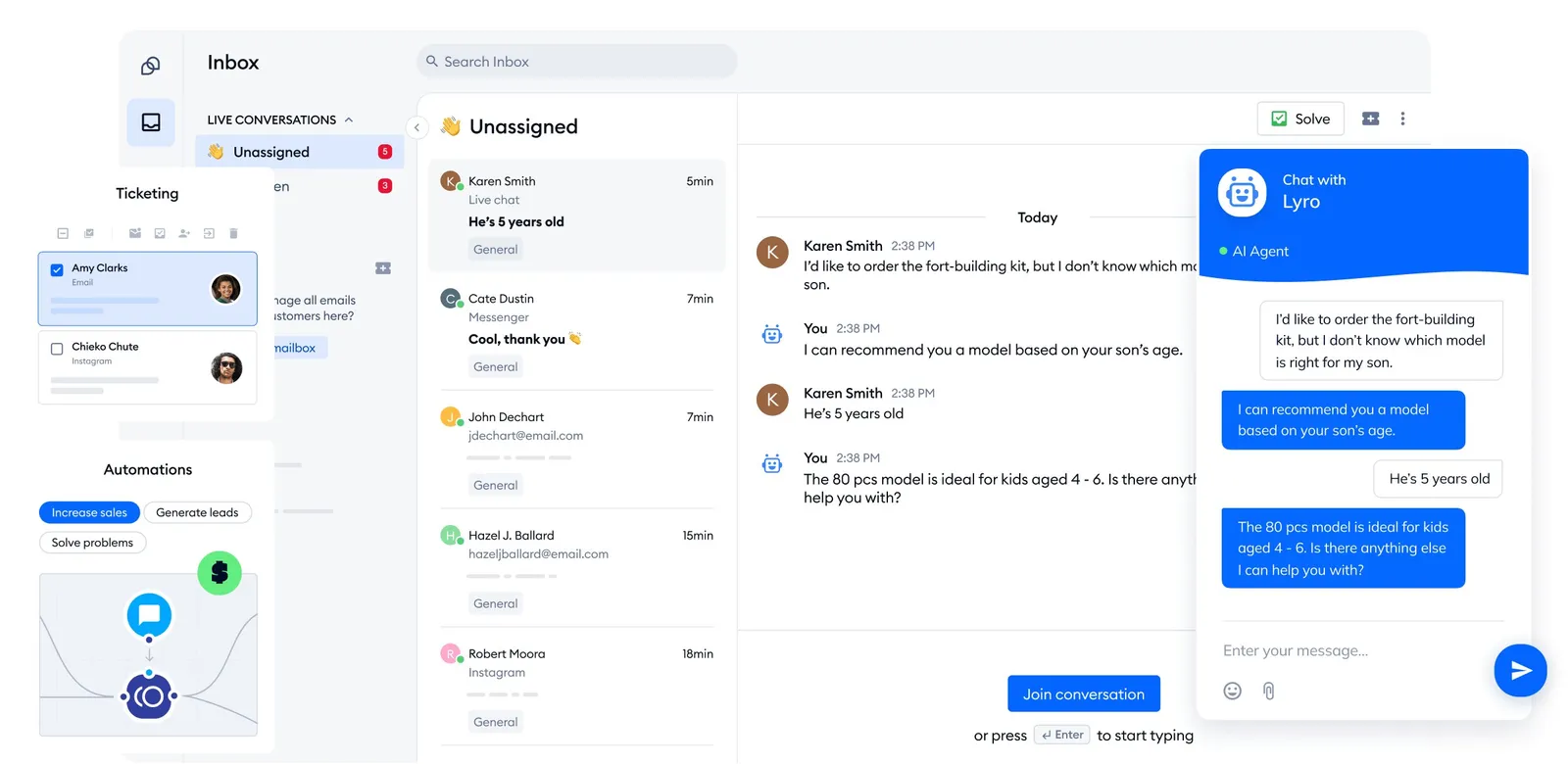
Tidio is built for e-commerce, with its Lyro AI Agent able to automatically answer 67% of customer questions and turn chats into product recommendations, discount triggers, and order status responses in real time. Simply put, its e-commerce conversion is excellent.
Tidio also offers Lyro Actions, in which custom flows are triggered mid-conversation in response to specific phrases. This means you can route customers who ask about a specific SKU to a product detail flow, all within the chat. But while this is a huge plus for your conversion, it comes at a rather steep cost.
Tidio Starter starts at $29 per month, but Lyro AI is billed separately, starting at $39 per month for 50 AI conversations and increasing to $289 per month for 500 AI conversations. The total costs land up to $300 each month, which is still well below Drift’s but does not compare as well to Yaplet’s single-bill model.
This is recommended for Shopify, BigCommerce, and WooCommerce stores with around $5M in revenue that also need AI-driven, chat-driven product discovery. Though its B2B routing and sales workflows are not the best, its pricing model could compound platform problems.
Pricing: $29/month Starter, and Lyro AI from $39 per month
5. Qualified (with Piper)
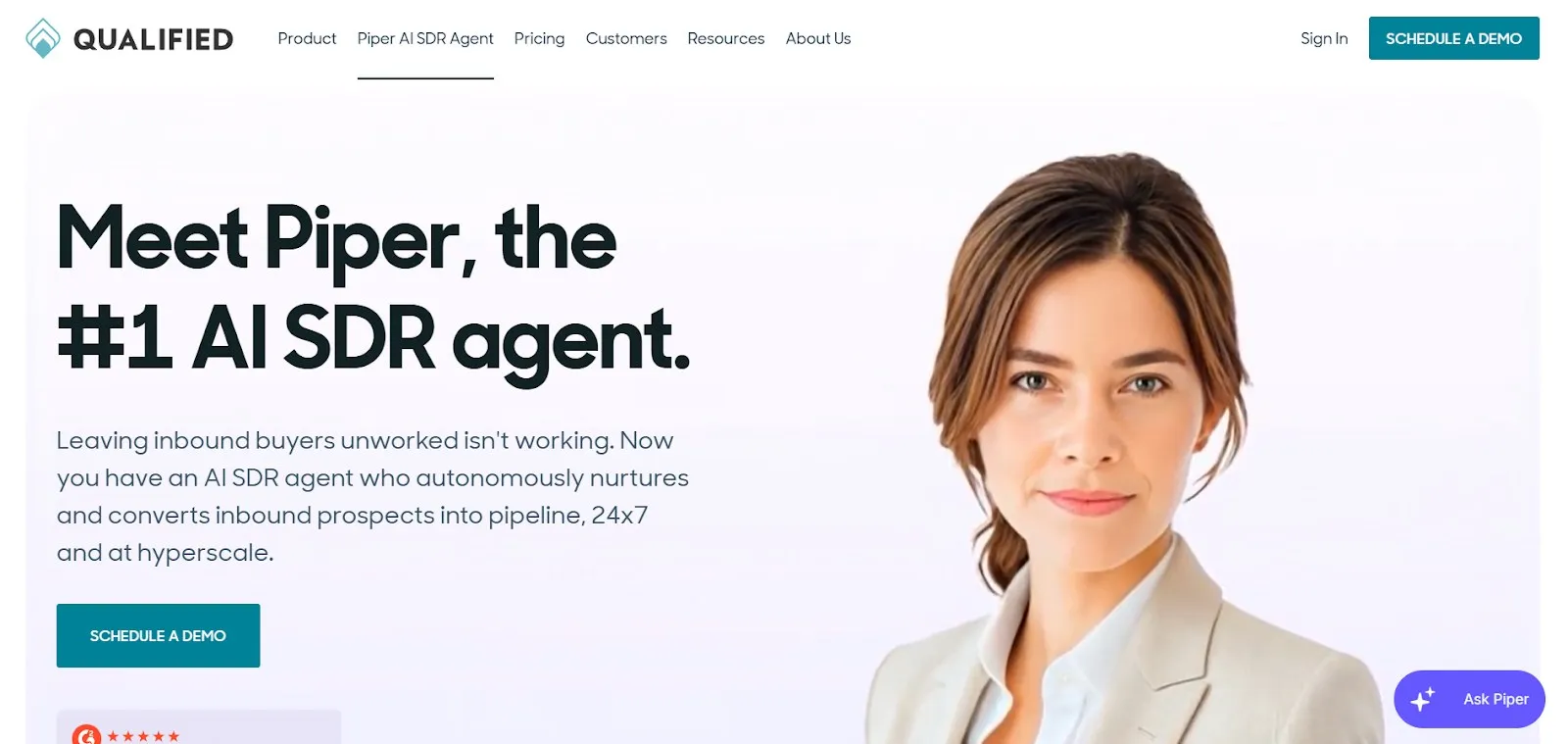
Qualified’s AI SDR, Piper, runs real-time chat, voice, and video conversations on a website using Salesforce data. Piper books meetings and sends personalized follow-up messages through email. This makes the platform the best direct replacement for Drift’s enterprise tier if your sales team runs its entire revenue process in Salesforce and deals justify the platform’s high cost.
At $40,000 to $68,000 annual pricing and a Salesforce cost of $30,000 to $60,000 per year, this is the most expensive platform on this list. That cost makes this platform a good pick for enterprise teams, especially B2B orgs with an average contract value over $50k or deep Salesforce use. Its cost is too high for SMBs and mid-market teams, though.
Pricing: Custom, up to $68,000 for Qualified plus Salesforce cost
Top Drift Alternatives at a Glance
Tool | Starting Price | Best For | Conversion Edge |
|---|---|---|---|
Yaplet | Free / $99 Growth | SMBs consolidating their stack | Vex AI 75%+ resolution + multi-channel inbox |
Intercom + Fin | ~$29/seat + $0.99/resolution | Mid-market SaaS | Resolution-based AI pricing aligned to value |
HubSpot Conversations | ~$20/seat (Service Hub Starter) | HubSpot-native teams | Chat lives inside the CRM where deals are worked |
Tidio + Lyro AI | $29 + $39 (separate) | Shopify and ecommerce SMBs | Lyro Actions for in-chat product flows |
Qualified + Piper | $40k–$68k/year | Salesforce enterprise B2B | Piper AI SDR with live demos and meeting bookings |
How to Pick the Best Drift Alternative for Your Stack
Here are a few guidelines to help you choose the best alternative for your use.
Match the tool to your motion. If you’re scaling or an SMB, Yaplet is the best choice. But for enterprise B2B on Salesforce, Qualified is the only working pick. For anyone else outside of those, the best platform is the one that matches your current stack.
Focus on AI resolution. Make sure to base your decision on real results, meaning the actual tool resolution rate. This means that a solid 75% resolution rate is better than a 30% ceiling made up for with 40 extra features.
Use a free trial to run real traffic. Both Yaplet and Intercom offer 14-day trials. Use the two weeks' worth of live traffic to measure resolution rates and compare them with your current Drift baseline.
Which do you think is best? Let us know.