
Intercom and Zendesk are often compared, but a side-by-side comparison is complicated by the fact that both work well. While this makes the choice seemingly more complex, it’s a good problem to have because any way you go is a solid option.
But landing on the better choice now involves reframing the narrative to find the tool that fits how your team works and costs a price your usage justifies. We’ll compare these tools side by side and analyze pricing, AI deflection rates, and the details left out of marketing.
What Each Customer Experience Tool Actually Costs
Intercom moved to a per-seat model, so it’s now easier to compare pricing between the two, with Zendesk having used that model for years. For both solutions, the headline number is not your actual cost, so it’s very important to pay close attention to the finer details.
Intercom (Billed Annually)
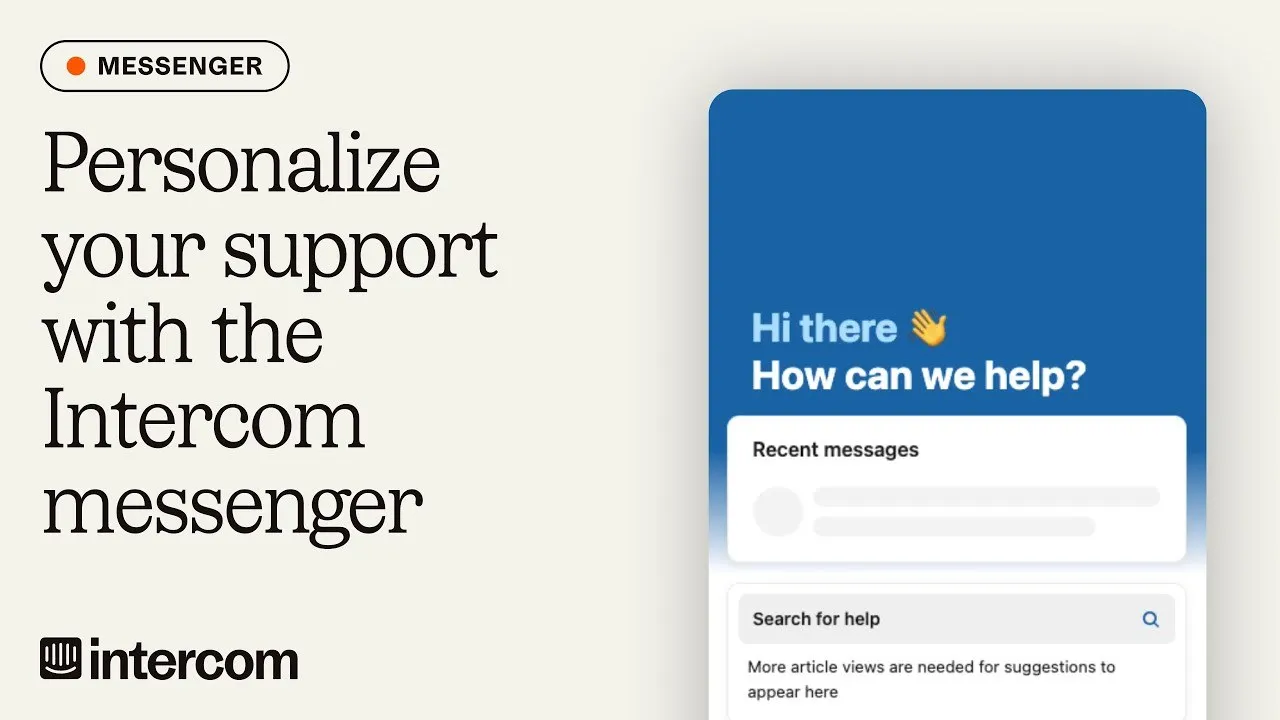
The Essential, Advanced, and Expert costs listed are per-seat monthly fees.
Essential ($29): Includes Fin AI Agent, a shared inbox, ticketing, basic reports, and public help center.
Advanced ($89): Add workflows, multiple teams, and 20 lite seats for read-only collaborators.
Expert ($132): Also includes SSO, HIPAA-compliant ticketing, SLAs, a multi-brand-messenger, and 50 more lite seats.
Fin AI Agent: charged at $0.99 per resolution with a minimum of 50 per month, paid on top of seat pricing.
The Fin pricing usually stacks up easily. Imagine 1000 conversations a month that add $990 to your monthly bill.
Zendesk Suite (Billed Annually)
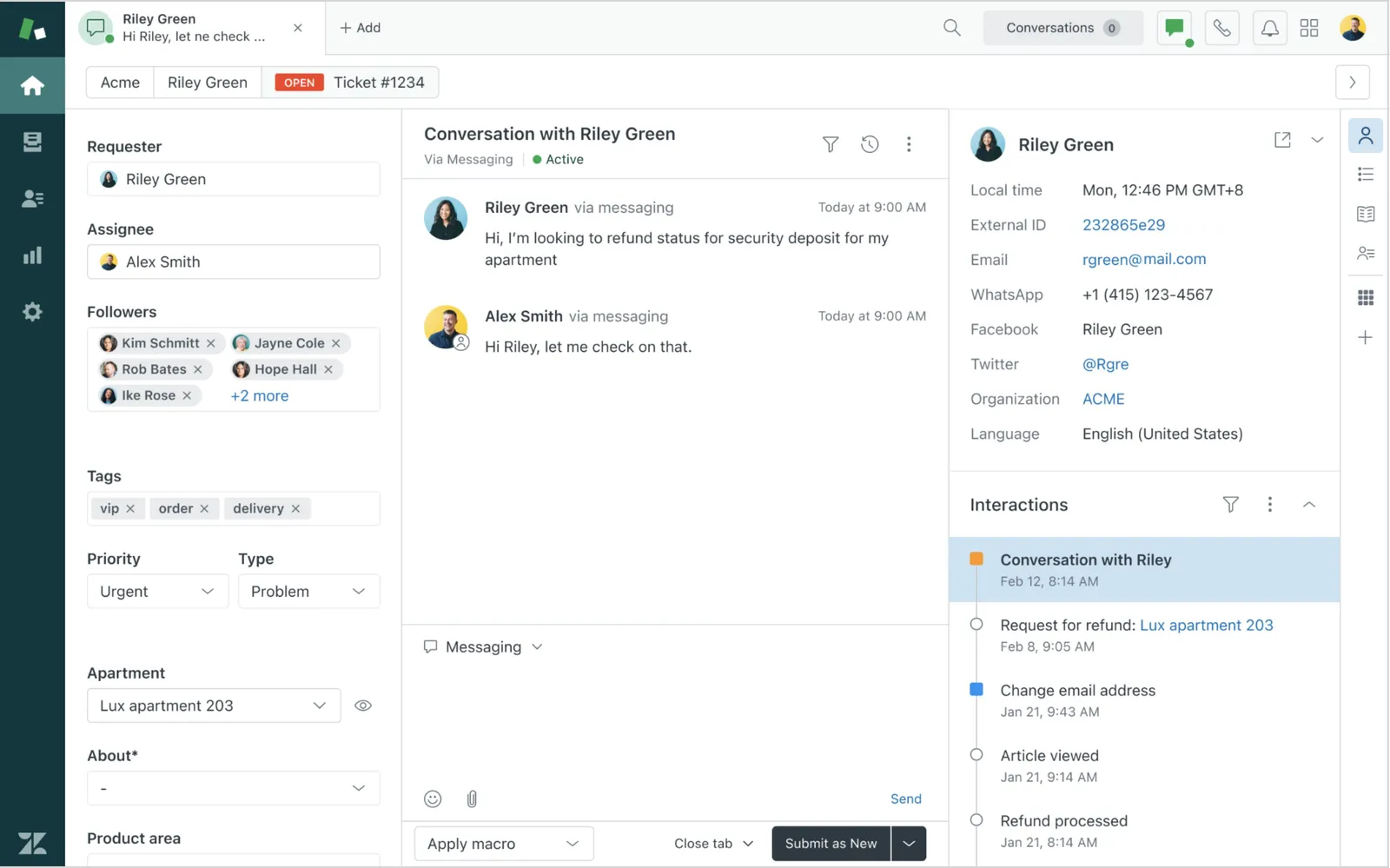
The indicated fees are monthly per agent.
Suite Team ($55): Basic ticketing with an omnichannel inbox
Suite Growth ($89): Adds self-service portal, SLAs, and multi-lingual support
Suite Professional ($115): Gains skills-based routing, custom analytics, and HIPAA
Suite Enterprise ($169): Also includes sandbox, custom roles, and more AI options
Advanced AI add-on ($50): Gates Zendesk AI agents and Copilot, but requires Suite Professional or higher.
While Suite Team looks cheap, it doesn’t include AI, and most subscribers end up upgrading within six months because it lacks modern features.
But with AI, the cost stacks up rather quickly. A ten-member team making use of Suite Professional plus Advanced AI comes to a $165 monthly fee, meaning a $1650 cost before any AI processing charges are added.
Plan tier | Intercom (annual) | Zendesk Suite (annual) | What it covers |
|---|---|---|---|
Entry | Essential: $29/seat/mo | Suite Team: $55/agent/mo | Basic inbox + ticketing |
Mid | Advanced: $85/seat/mo | Suite Growth: $89/agent/mo | Workflows, SLAs, multilingual |
Pro | Expert: $132/seat/mo | Suite Professional: $115/agent/mo | HIPAA, advanced routing, custom analytics |
Enterprise | Custom | Suite Enterprise: $169/agent/mo | Sandbox, custom roles, multi-brand |
AI agent | Fin: $0.99 per resolution (50/mo min) | Advanced AI: +$50/agent (Pro tier required) | Autonomous AI ticket resolution |
Looking at what both Zendesk and Intercom offer, neither of them offers transparent pricing. This involves modeling your consumption before you even sign up, which makes it difficult to truly gauge.
The AI Agent Question: Fin vs Zendesk AI
Intercom’s Fin is reported to have a 67% resolution rate across more than 7,000 customers, with a growth rate of 1 point per month. Through independent benchmarking, Fin answered 96% of incoming queries compared to 78% for Zendesk’s AI. Fin is also 66% more successful in resolving any answered message or query.
Zendesk’s case studies cite a 39%-66% resolution range and a marketing claim of up to 80% resolution, but they do not publish aggregate resolution rates. That being said, Zendesk received a meaningful upgrade in 2024 with the acquisition of Ultimate, which now powers its autonomous agent layer, and it remains a good option if you’re already embedded in the Zendesk ecosystem. Objectively speaking, though, Fin is the better tool right now.
The difference-maker lies in how both systems were designed and built. Fin is an AI-first system with a built-in ticket layer, while Zendesk AI was designed to assist humans within an established ticketing system. Both still work well, and with the 2026 Zendesk CX Trends data showing that 74% of consumers expect 24/7 service and 88% expect faster response times, AI deflection is now critical to any tool stack.
If you want the tool with the better AI capabilities for right now, that’s Fin AI, but it’s also important to note industry-wide standards for the near future. Median tier-1 deflection rates are now at 41% and the top quartile at 59%. This means that claiming anything significantly higher than that is likely a marketing reinterpretation of real data.
Setup and Time-to-Value
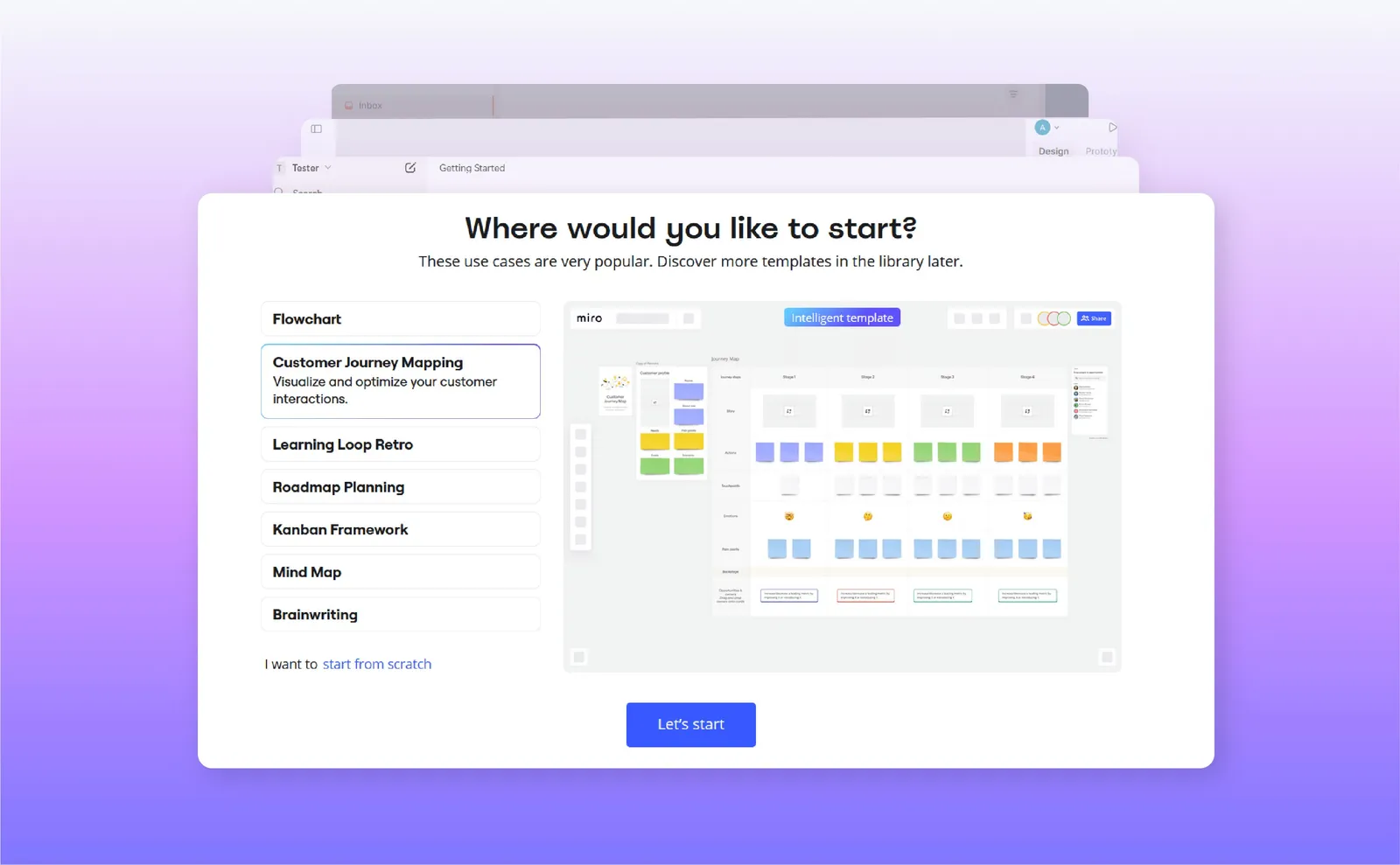
This is where the biggest gap can be seen, but it’s also where most teams choosing their stack overlook the important detail. Intercom is very fast to set up, and a two-person team can have Fin trained, a messenger live on a website, and basic workflows running all in the same day. But this is an opinionated stack, so while it is fast, it’s also less customizable, which may be necessary for those with more complex processes.
Zendesk is the opposite, requiring 2 to 4 months of setup and implementation. With everything requiring heavy customization and deliberate configuration (triggers, automations, skill-based routing, SLAs, custom fields, brand guidelines, and macros), you’ll likely need an internal CX ops team or a Zendesk consultant for larger teams of 50 or more people.
Switching from Intercom to Zendesk, or vice versa, takes about 3 weeks when done via a professional service. This is because triggers and automations need to be rebuilt manually, so it also makes sense to save an old instance of the previous tool for historical reference.
Integrations and the Rest of the Stack
Zendesk scores a win in this category with more than 1800 apps in its marketplace compared to Intercom’s 450, but this is not a huge difference for most SMB and mid-market teams. More than 1,000 Zendesk apps cover niche enterprise needs such as legacy telephony, regional CRM, and vertical-specific connectors.
The more important consideration is what other tools you’re looking to pair with either platform. Zendesk and Intercom are both conversational customer engagement tools, not Customer Relationship Management tools, marketing automation tools, or product analytics platforms. Both are used to complement your existing tools instead.
Where Each One Wins: AI, Automations, Analytics, CX
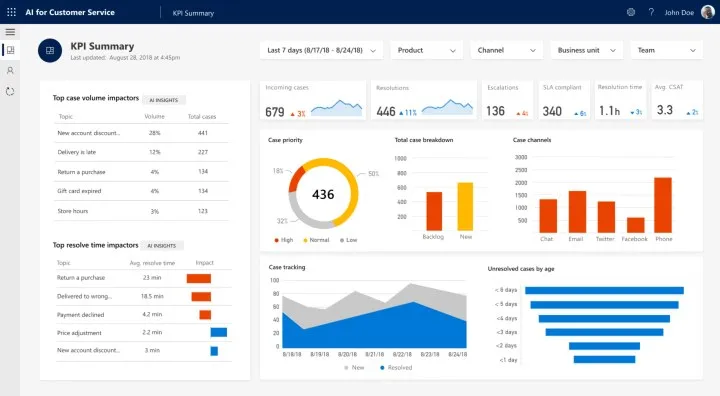
When Zendesk is Better
You have 50+ support agents with multi-tier dashboard queues
Compliance (HIPAA, FedRAMP, advanced audit logs) matters
Dependence on a deep integration catalog with niche tools
A scaling and structured ticket system is needed
Your support team ops lead can afford the added configuration workload
When Intercom is Better
You have a conversation-driven support system
The strongest AI bot is preferred regardless of cost
Messenger integration for CX, marketing, and product teams is needed
Your product shipping process is fast, and an equally fast tool is necessary
The team is composed of under 30 agents (the math cost favors Intercom up to this point)
When none of them work
You have a 5 to 50-person company that uses 30% of each platform
You already have overlapping tools like Pendo, Typeform, Mailchimp, or Usersnap
High tool costs are a problem
The SMB Reality Nobody on Either Pricing Page Is Telling You

Here's another angle in the Zendesk vs Intercom discussion. Most SaaS teams pay between $745 and $ 2463 monthly for a fragmented stack of tools. That means you’re paying for tools you don’t really need, and the real benefit is in collapsing the tools you actually use into a single platform.
Yaplet solves this problem. The Growth Plan costs $99 per month for 10 team members and includes Vex AI Agent, which autonomously resolves 75% of all tickets, similar to Fin. You also get real-time live chat, a knowledge base, product tours, bug reporting, forms, marketing automation, and a multi-channel inbox (WhatsApp, Instagram, Facebook, and Discord).
The costs for both platforms really add up. Ten Agents on Zendesk Suite Professional plus Advanced AI adds up to $1650 a month before resolutions, while Intercom Advanced plus 1000 Fin resolutions totals $1840 monthly. Yaplet does what SMBs actually need at a $99 flat rate, which is 88% to 96% cheaper than a typical fragmented stack.
Yaplet is not a perfect solution to every problem. It doesn’t have Zendesk’s enterprise compliance certifications, a 1800-app marketplace, or a 15-year deep ticketing schema. Yaplet also doesn’t have Intercom’s brand recognition or the polish of its messenger library.
But if you’re an SMB that wants AI to handle repetitive work to allow humans to cover the complicated things well, along with a knowledge base that updates when docs change, then Yaplet provides an excellent value proposition for a fraction of the cost of either Zendesk or Intercom.
You don’t need to just take anyone’s word for it. Spin up a working Yaplet; it only takes 10 minutes, and start with a free plan that includes one widget and 50 AI answers a month. This is enough to gauge how well it works. The Starter plan is $29 with unlimited AI answers and a knowledge base, and the Growth plan at $99 covers everything Intercom’s cheapest seat offers, but for 10 people.
Steps to Take When You Are Evaluating Zendesk vs Intercom
Take these three steps this week to make this decision easier and more structured:
Check your current monthly support volume. If you’re getting fewer than 2000 tickets, Zendesk Suite Professional and Intercom Expert aren't the right tiers for your needs. You’ll need to push them to provide an appropriate plan.
Calculate your AI costs manually to see your actual costs. Use the number of conversations x 0.99 for Intercom, and the number of agents x 50 for Zendesk Suite Professional or higher. Compare that cost with Yaplet’s $99 flat rate.
Run a 14-day side-by-side trial for all platforms. Intercom and Zendesk offer these trials, and Yaplet does as well. Throw 50 of your most commonly received questions at all three and see which one resolves them the best.
The best customer support platform in 2026 combines real AI deflection, a respectable agent experience, and pricing that fits a company's size and needs. Zendesk is the better solution for an enterprise, while Intercom works best for mid-market product-led companies. But for everyone else, a single-platform alternative offers everything that the other two can offer at a flat rate.
Which one works for you?